
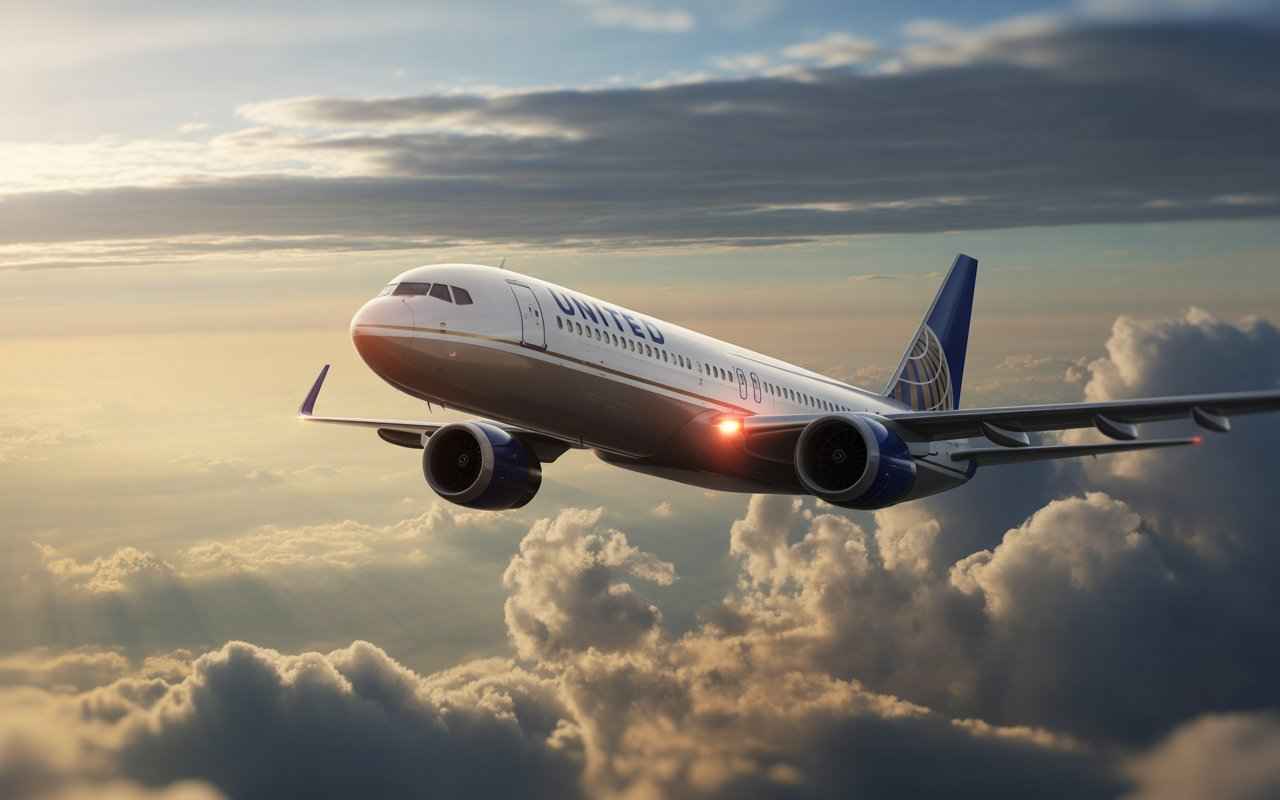
Air travel operates on strict safety systems, yet unexpected situations sometimes require immediate decisions from pilots and airline operations teams. The United Airlines flight UA770 emergency diversion quickly drew attention after the aircraft changed course and landed at an alternate airport instead of its planned destination.
While diversions can sound dramatic, they are actually a normal part of aviation safety procedures. Airlines around the world train crews to respond quickly to medical incidents, mechanical alerts, weather disruptions, and security concerns. The United Airlines flight UA770 emergency diversion became widely discussed because it showed how these safety systems work in real time to protect passengers and crew.
Understanding what happened during this diversion helps explain how modern aviation manages emergencies and why such decisions are often made out of precaution rather than immediate danger.
What Is an Emergency Diversion in Aviation?
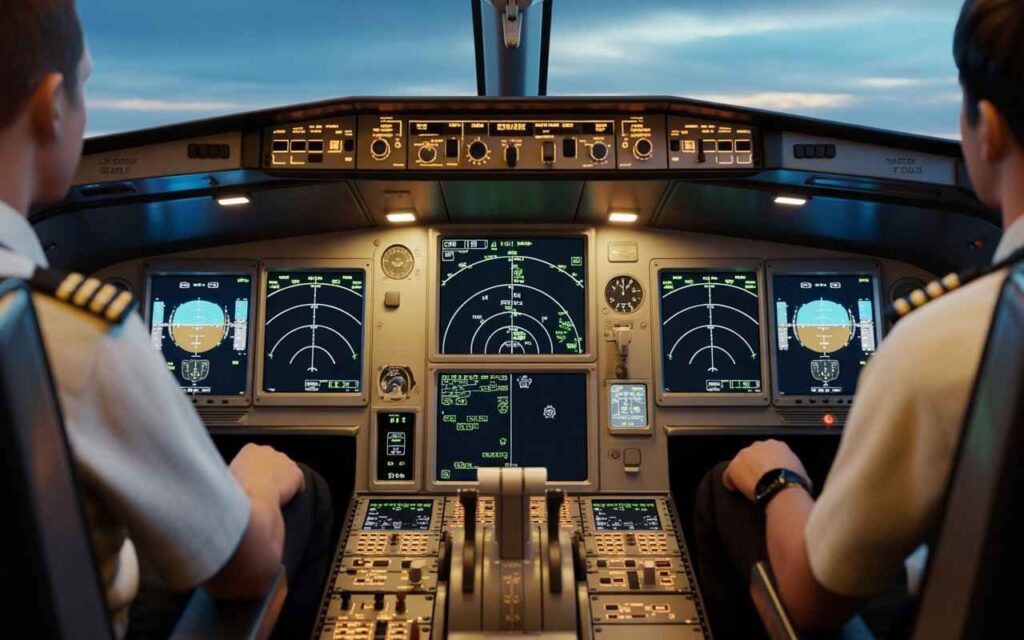
An emergency diversion occurs when an aircraft changes its planned route and lands at a different airport than originally scheduled. This decision is usually made by the flight captain in coordination with air traffic control(ATC) and airline operations teams.
Diversions typically happen for several reasons:
- Medical emergencies involving passengers or crew
- Technical warnings or system irregularities
- Severe weather conditions are affecting the route
- Security or safety concerns onboard
- Operational issues at the destination airport
When the United Airlines flight UA770 emergency diversion occurred, the pilots followed these internationally recognized aviation protocols to ensure passenger safety.
Timeline of the United Airlines Flight UA770 Emergency Diversion
Like most commercial flights, UA770 initially departed normally and followed its scheduled flight path. At some point during the journey, the flight crew identified a situation that required immediate evaluation.
The typical sequence during an event like the United Airlines flight UA770 emergency diversion includes:
- Detection of a potential issue onboard
- Communication between cockpit crew and cabin crew
- Coordination with air traffic control
- Assessment of nearby airports suitable for landing
- Decision to divert and inform passengers
- Safe landing at the alternate airport
Although reports about the exact trigger vary, the diversion itself followed standard aviation procedures designed to reduce risk and maintain passenger safety.
Possible Reasons Behind the UA770 Emergency Diversion
Aviation authorities and airlines often avoid releasing detailed technical information immediately after incidents. However, most flight diversions fall into several common categories.
1. Medical Emergencies
One of the most frequent reasons for diversions is a passenger or crew member experiencing a serious health issue. When medical assistance is required quickly, pilots divert to the nearest suitable airport where emergency services can respond immediately.
2. Technical or Mechanical Alerts
Aircraft systems constantly monitor engine performance, cabin pressure, hydraulics, and avionics. If a warning appears that could potentially affect safety, pilots may divert the aircraft for inspection.
3. Weather Conditions
Weather changes rapidly at high altitudes. Severe storms, turbulence, or poor visibility at the destination airport may require a diversion to a safer location.
4. Security Concerns
Although rare, security alerts or suspicious activity can also lead to precautionary landings.
The United Airlines flight UA770 emergency diversion likely involved one of these standard safety scenarios, prompting the pilots to land at the most appropriate alternate airport.
How Flight Crews Handle Emergency Diversions
Commercial airline crews receive extensive training for unexpected events. Pilots and cabin crew regularly practice emergency simulations to ensure they can respond calmly and efficiently.
During the United Airlines flight UA770 emergency diversion, the cockpit crew would have followed detailed procedures such as:
• Running aircraft emergency checklists
• Communicating continuously with air traffic control
• Preparing the aircraft for a possible rapid descent
• Coordinating with airline operations and ground teams
Cabin crew members focus on passenger safety, ensuring seat belts are secured, cabin equipment is stowed properly, and passengers receive clear instructions.
What Passengers Experience During a Diversion
Passengers often notice a diversion through announcements from the cockpit. In most cases, the tone remains calm and informative to avoid unnecessary panic.
Travelers onboard United Airlines flight UA770 likely experienced:
• Updates from the captain explaining the diversion
• Cabin crew preparing passengers for landing
• Changes in the aircraft’s flight path
• Possible earlier-than-expected descent
For many passengers, the diversion can feel surprising, but in most cases it is handled smoothly and safely.
United Airlines Response After the Diversion
Airlines maintain detailed contingency plans for unexpected landings. When the United Airlines flight UA770 emergency diversion occurred, airline ground teams would have immediately prepared support at the diversion airport.
Typical airline responses include:
- Passenger assistance and rebooking options
- Coordination with airport authorities and emergency services
- Technical inspection of the aircraft
- Updates issued to the media and travelers
Major airlines such as United Airlines operate global networks, allowing them to quickly reposition aircraft and crews to minimize disruptions.
Operational Impact of Flight Diversions
Although diversions prioritize safety, they can still affect airline operations and passenger schedules.
Consequences of the UA770 diversion may include:
- Delayed arrivals and missed connecting flights
- Aircraft repositioning and crew scheduling changes
- Additional operational costs for the airline
- Passenger accommodations or compensation in some cases
Despite these challenges, airlines consider diversions an essential part of maintaining aviation safety standards.
Media Coverage and Public Reaction
Incidents involving commercial flights often spread quickly through news outlets, aviation forums, and social media platforms. The United Airlines flight UA770 emergency diversion attracted attention because travelers and aviation enthusiasts closely follow unusual flight events.
Passenger reports, aviation analysts, and airline statements all contributed to the public discussion surrounding the incident.
Most coverage emphasized that the diversion was handled professionally and that safety procedures worked exactly as intended.
Lessons From the United Airlines Flight UA770 Emergency Diversion
Every aviation event provides valuable insights for airlines and regulators. The United Airlines flight UA770 emergency diversion highlights several important aspects of modern air travel:
• The effectiveness of pilot training and safety protocols
• The importance of communication between crew and passengers
• The role of air traffic control in managing unexpected events
• The reliability of aircraft monitoring systems
These factors help explain why commercial aviation remains one of the safest forms of transportation.
Frequently Asked Questions
What caused the United Airlines flight UA770 emergency diversion?
The exact cause has not been publicly confirmed, but diversions typically result from medical emergencies, technical alerts, weather conditions, or precautionary safety measures.
Were passengers injured during the UA770 diversion?
Reports indicate that passengers and crew remained safe throughout the diversion process.
Where did United Airlines flight UA770 divert?
The aircraft landed at a nearby alternate airport capable of handling the aircraft and providing immediate support.
Are emergency diversions common in aviation?
Diversions occur occasionally but are not frequent. When they do happen, they follow strict international aviation procedures.
Why do airlines divert flights instead of continuing to the destination?
Pilots prioritize safety. Landing at the nearest suitable airport allows potential issues to be addressed quickly.
Conclusion
The United Airlines flight UA770 emergency diversion illustrates how aviation safety systems operate under real-world conditions. Although the unexpected landing caused temporary disruptions for passengers, it demonstrated the professionalism of airline crews, the coordination of air traffic control, and the strength of global aviation safety standards.
For travelers, events like the UA770 diversion reinforce an important point: when airlines choose to divert a flight, the decision is almost always made to ensure the safest possible outcome for everyone onboard.